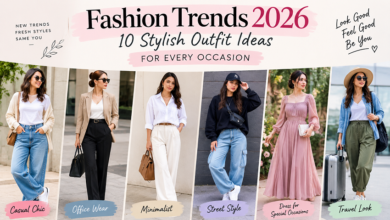
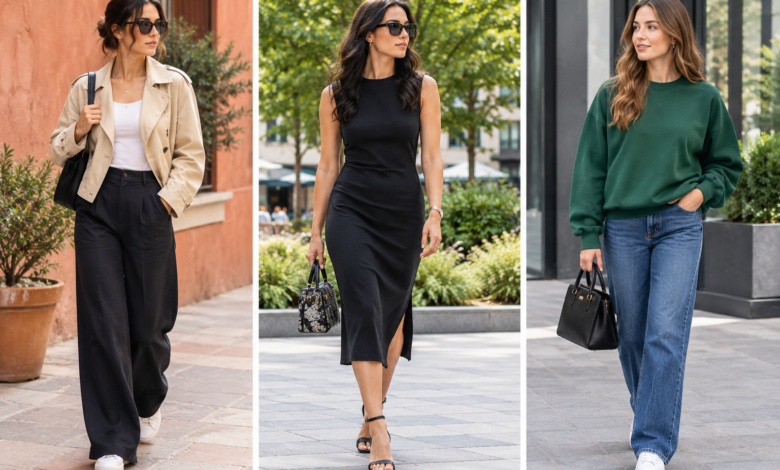
Fashion Trends 2026: 10 Stylish Outfit Ideas for Every Occasion
Introduction
Fashion is more than simply choosing clothes. It is a way to express your personality, showcase your creativity, and feel comfortable in your own style. From timeless wardrobe essentials to modern streetwear, the fashion world offers countless opportunities to experiment with different looks.
In 2026, building a versatile wardrobe is a practical approach to personal style. Instead of following every trend, you can combine contemporary pieces with classic clothing to create outfits that feel fresh, functional, and uniquely yours.
Whether you enjoy casual everyday outfits, elegant dresses, minimalist fashion, or bold accessories, the right styling choices can help you make the most of your wardrobe.
In this guide, we explore 10 stylish outfit ideas, essential fashion tips, and practical ways to develop a wardrobe that suits your lifestyle.
1. Embrace Minimalist Fashion
Minimalist fashion focuses on simplicity, versatile pieces, and clean designs. It is an excellent choice for anyone who prefers a polished look without complicated styling.
Build your wardrobe around neutral colors such as black, white, beige, gray, and navy. Simple shirts, tailored trousers, classic jeans, and understated outerwear can be combined in numerous ways.
For example, pair a white shirt with straight-leg jeans and comfortable loafers for an effortless everyday outfit. For a more formal appearance, replace the jeans with tailored trousers and add a structured jacket.
Style tip: Choose pieces that work well together so you can create more outfits without constantly buying new clothes.
2. Make Casual Fashion Look Effortless
Casual fashion remains a practical choice for daily activities, shopping trips, travel, and meeting friends.
A well-fitted T-shirt, comfortable jeans, sneakers, and a lightweight jacket can create a simple yet stylish outfit. During warmer weather, breathable cotton shirts, relaxed trousers, and comfortable sandals offer another versatile combination.
The secret to an attractive casual look is balance. If you wear relaxed-fit trousers, you might prefer a more structured top. Alternatively, combine a loose shirt with straight-leg jeans for an easygoing appearance.
Style tip: Small details, such as rolling up your sleeves or adding a simple watch, can make an everyday outfit feel more intentional.
3. Explore Modern Streetwear
Streetwear combines casual clothing with elements of urban culture, sportswear, and contemporary design.
Popular streetwear-inspired pieces include oversized T-shirts, relaxed jeans, hoodies, cargo trousers, sneakers, and practical crossbody bags.
You can create a balanced outfit by pairing an oversized graphic T-shirt with straight-leg trousers and clean sneakers. For cooler days, add a bomber jacket or a lightweight overshirt.
Streetwear also provides plenty of room for personal creativity. Some people prefer neutral colors and understated designs, while others enjoy graphic prints, layered outfits, and brighter colors.
Style tip: Choose one statement piece and keep the rest of your outfit relatively simple to create a cohesive look.
4. Add Elegant Dresses to Your Wardrobe
Dresses are versatile clothing options for celebrations, dinners, family gatherings, and formal events.
A simple midi dress can work for daytime occasions, while a tailored dress or an elegant evening gown may be suitable for more formal settings.
For a relaxed daytime look, combine a floral dress with flat sandals and a small shoulder bag. For an evening event, consider a solid-colored dress with understated jewelry and comfortable dress shoes.
Fabric also plays an important role in the overall appearance of an outfit. Cotton and linen are useful for warm weather, while satin, chiffon, and other dressier fabrics can create a more formal impression.
Style tip: Choose dress lengths, cuts, and fabrics that feel comfortable and suit the occasion.
5. Experiment with Colors and Patterns
Color can completely change the mood of an outfit. Neutral shades create a classic foundation, while brighter colors and interesting patterns add personality.
If you are unsure how to combine colors, begin with two complementary shades and one neutral color. For example, navy trousers, a white top, and a green accessory can create a balanced combination.
Floral prints, stripes, checks, and geometric patterns can also add visual interest. To keep your outfit cohesive, consider pairing one patterned item with solid-colored pieces.
You can also experiment with monochromatic styling by wearing different shades of the same color.
Style tip: Wear colors and patterns that you enjoy rather than feeling obligated to follow every seasonal trend.
6. Choose Accessories That Complete Your Look
Accessories can transform a simple outfit without requiring a complete wardrobe change.
Useful accessories include watches, belts, scarves, sunglasses, handbags, necklaces, earrings, and hats. The best choices depend on your outfit, personal preferences, and the occasion.
For a casual look, try a crossbody bag and simple earrings. For a formal event, a structured handbag and delicate jewelry can complement your clothing.
You do not need to wear many accessories at once. Sometimes, a single distinctive item creates a more memorable look than several competing pieces.
Style tip: Pay attention to color, material, and proportion when selecting accessories.
7. Build a Wardrobe Around Timeless Essentials
Fashion trends change, but certain wardrobe staples remain useful year after year.
Consider building your collection around versatile pieces such as:
- A classic white shirt
- Well-fitting jeans
- Neutral-colored trousers
- A comfortable everyday T-shirt
- A versatile jacket or blazer
- Comfortable sneakers
- A pair of occasion-appropriate shoes
- A practical everyday bag
These essentials can serve as the foundation for many different outfits.
For example, the same pair of jeans can be styled with a T-shirt for a casual outing, a button-down shirt for a smart-casual look, or a blazer for a more polished appearance.
Style tip: Prioritize comfort, versatility, and durability when deciding which wardrobe staples to purchase.
8. Try Layering for More Interesting Outfits
Layering allows you to combine different garments to create depth, texture, and practical comfort.
Start with a basic layer, such as a T-shirt or lightweight top. Add a cardigan, overshirt, denim jacket, or blazer depending on the weather and occasion.
For cooler days, you can combine a thin knit sweater with a coat and a scarf. During milder weather, an open shirt worn over a simple top can create a relaxed layered outfit.
Pay attention to fabric weight and proportions. Several bulky layers may feel uncomfortable, while lighter pieces are often easier to combine.
Style tip: Limit your outfit to a few complementary layers and vary the textures to make the overall look more interesting.
9. Discover Sustainable and Thoughtful Fashion
Sustainable fashion encourages people to consider how clothing is produced, purchased, used, and maintained.
One practical starting point is to make better use of the clothes you already own. Try creating new outfit combinations before purchasing additional items.
You can also explore secondhand clothing, clothing swaps, repairs, and brands that provide transparent information about their materials and manufacturing practices.
Quality does not always depend on a high price. The important considerations are how well an item is made, how comfortable it feels, and how frequently you can wear it.
Style tip: Before buying something new, ask whether it complements your existing wardrobe and whether you can imagine wearing it regularly.
10. Develop Your Own Signature Style
The most meaningful fashion choice is one that reflects your personality and lifestyle.
You might prefer classic tailoring, colorful streetwear, relaxed casual clothing, romantic dresses, or a mixture of several styles. There is no single correct way to dress.
Start by identifying the outfits you naturally enjoy wearing. Notice which colors, fabrics, and silhouettes make you feel comfortable. Save inspiration from fashion magazines, blogs, and outfit photographs, then adapt those ideas to your own preferences.
It is also helpful to consider your daily routine. Someone who spends most of the day walking may prioritize comfortable footwear, while someone attending formal events regularly may want more occasion-ready clothing.
Style tip: Treat fashion as a form of self-expression rather than a set of strict rules.
Common Fashion Mistakes to Avoid
Developing a personal style takes experimentation, and a few common mistakes can make choosing outfits more difficult.
- Following every trend: Focus on trends that complement your lifestyle and existing wardrobe.
- Ignoring comfort: Clothing should allow you to move comfortably throughout the day.
- Buying items without a plan: Consider how each new piece will work with clothes you already own.
- Overusing accessories: Choose accessories that complement rather than overwhelm your outfit.
- Neglecting clothing care: Follow garment care instructions to help clothes maintain their appearance.
- Dressing only for other people’s opinions: Personal style should reflect your own preferences and needs.
Remember that fashion is subjective. Experimenting with different combinations is one of the best ways to discover what works for you.
Frequently Asked Questions About Fashion
What are the most important fashion trends in 2026?
Fashion inspiration in 2026 can include minimalist outfits, relaxed tailoring, streetwear, expressive accessories, versatile wardrobe staples, and individual styling choices. Specific trends vary by region, season, and fashion community.
How can I look stylish without spending a lot of money?
Start with clothing you already own, experiment with new combinations, explore secondhand options, and purchase versatile items when you genuinely need them. Accessories can also refresh familiar outfits.
How can I develop my personal fashion style?
Identify the clothing you feel comfortable wearing, explore different outfit combinations, and collect inspiration from styles you admire. Gradually adapt those ideas to suit your preferences and everyday activities.
Which clothing items should every wardrobe include?
Useful essentials often include a versatile top, comfortable trousers or jeans, a suitable jacket, everyday shoes, and a practical bag. The ideal selection depends on your climate, lifestyle, and personal taste.
Is minimalist fashion suitable for everyday wear?
Yes. Minimalist fashion can be practical for work, study, travel, and casual outings because simple, versatile pieces are easy to combine.
Final Thoughts
Fashion does not require an expensive wardrobe or an endless collection of trendy clothes. A thoughtful approach to color, fit, accessories, and clothing combinations can help you create outfits for many different occasions.
From minimalist essentials and modern streetwear to elegant dresses and sustainable shopping, there are countless ways to explore personal style.
Start with the clothing you already love, experiment with a few new combinations, and invest in pieces that suit your daily life.
The best fashion style is the one that feels comfortable, expresses your personality, and helps you enjoy getting dressed every day.